Mark: A Bold Script Font That Redefines Classic Aesthetics
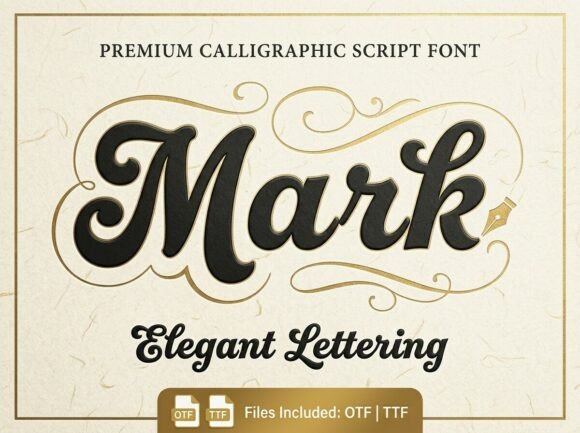
When it comes to script fonts, the right choice can make or break a design. Mark is a premium calligraphic script font that stands out for its heavy visual weight and rhythmic, sweeping loops. It captures the bold stroke of a fountain pen, blending vintage sign-painting charm with modern editorial elegance. Whether you're designing a signature-style logo, a luxury product masthead, or a high-end event header, Mark offers a high-impact personal touch that commands attention.
Why Mark Stands Out in the World of Script Fonts
Many script fonts lean into soft, flowing lines that are easy on the eye but lack presence. Mark is different. Its heavy visual weight gives it a commanding presence, making it ideal for headlines and branding where confidence and flair are essential. The font’s sweeping loops and sharp transitions create a dynamic flow that feels both traditional and contemporary.
One of the key strengths of Mark is its versatility. While it's often associated with vintage sign-painting, it also works beautifully in modern contexts like editorial layouts, packaging, and digital banners. This duality makes it a favorite among designers who want to bridge the gap between past and present.
Common Mistakes When Using Mark
Even with its strong visual identity, Mark can be misused. One common mistake is applying it too broadly across all text elements. Because of its bold nature, Mark is best reserved for headings, logos, and other prominent text. Using it for body copy can overwhelm readers and dilute the message.
Another frequent error is not considering the context in which Mark will be used. For example, while it shines in luxury settings, it might not be suitable for a casual blog post or a children’s book. Understanding the audience and the purpose of the design is crucial before selecting a font like Mark.
Some users also overlook the importance of pairing Mark with complementary typefaces. A well-designed layout often includes a hierarchy of fonts, and using Mark as the headline without a readable body font can lead to poor readability and user experience.
How These Mistakes Can Impact Your Design
Misusing Mark can have several negative effects. Overuse can result in visual clutter, reducing the impact of the design. Poor pairing can lead to readability issues, especially on smaller screens or in print. In some cases, the wrong application of Mark may even turn off potential customers or readers who find the design overwhelming or unprofessional.
Additionally, not understanding the font’s limitations can lead to wasted time and resources. If you choose Mark for a project that doesn’t align with its aesthetic, you may end up needing to redesign from scratch, which adds unnecessary cost and effort.
Practical Advice for Using Mark Effectively
To get the most out of Mark, start by defining your project’s goals. Is it a logo for a luxury brand? A restaurant menu? Or an event header? Once you have a clear idea of the purpose, you can determine whether Mark is the right fit.
Next, consider the surrounding text. If you’re using Mark for a headline, pair it with a clean, readable body font. This creates a balance that enhances both aesthetics and usability. Avoid using Mark for long paragraphs or small text sizes, as it can become difficult to read.
Also, test your design across different platforms and devices. What looks great on a large screen may not translate well to mobile or print. Always ensure that the font remains legible and maintains its intended impact regardless of the medium.
Realistic Examples of Mark in Action
- Signature-style Logo: A boutique fashion brand uses Mark for its logo, creating a sense of sophistication and exclusivity.
- Luxury Product Masthead: A high-end skincare line employs Mark in its product packaging to convey elegance and craftsmanship.
- Restaurant Menu: A trendy café uses Mark for its menu headers, adding a touch of personality and style to the overall design.
- High-End Event Header: A wedding planner incorporates Mark into event invitations, giving them a timeless yet modern feel.
These examples demonstrate how Mark can be applied effectively in various contexts. The key is to use it strategically, ensuring it complements rather than overwhelms the design.
What to Check Before Making a Decision
Before choosing Mark, take a few moments to evaluate your needs. Ask yourself: Does this font align with my brand’s identity? Will it work across all platforms and sizes? Do I have a complementary font to pair with it?
Also, consider the licensing terms. Some fonts are only available for personal use, while others require a commercial license. Ensure that you understand the restrictions and requirements before downloading or purchasing Mark.
Finally, review the font’s character set and spacing. Some script fonts have limited glyphs or inconsistent spacing, which can affect readability. Mark is generally well-designed, but it’s always worth checking for any potential issues.
By taking these steps, you’ll be better equipped to make an informed decision about whether Mark is the right choice for your project. With its bold, confident style, Mark is a powerful tool for designers looking to add a unique and memorable touch to their work.