Calington: A Bold and Vibrant Script Font for Creative Expression
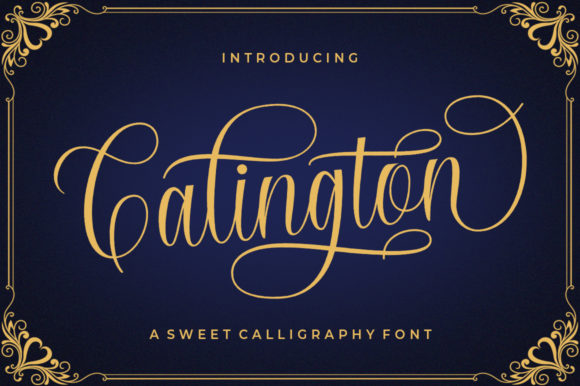
Calington is more than just another script font—it’s a statement. With its rich swashes, dynamic curves, and bold presence, it stands out in a sea of generic typography. Whether you're designing a logo, crafting social media content, or creating visual assets for your brand, Calington offers a unique blend of elegance and energy that can elevate your work. But like any powerful tool, using Calington effectively requires understanding its strengths and limitations.
What Makes Calington Stand Out?
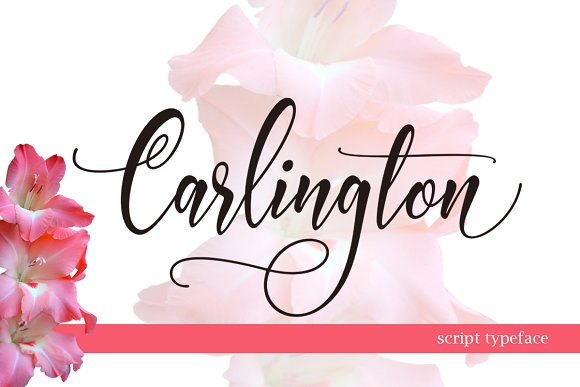
Calington is designed with a focus on readability and style. Its bold strokes and intricate swashes give it a luxurious feel, making it ideal for headers, titles, and other prominent text elements. The font’s versatility allows it to adapt to various design contexts, from modern digital interfaces to traditional print materials.
One of the most appealing aspects of Calington is its ability to convey both sophistication and playfulness. It’s not just for formal documents; it can also bring life to creative projects, marketing campaigns, and personal branding efforts. This dual nature makes it a favorite among designers, entrepreneurs, and content creators who want to make an impression without sacrificing clarity.
Common Mistakes When Using Calington
While Calington is a fantastic choice, there are several common mistakes people make when selecting and applying it. Understanding these can help you avoid pitfalls and ensure your design choices align with your goals.
- Overusing Swashes: One of the most frequent errors is relying too heavily on Calington’s decorative swashes. While they add flair, overuse can make text appear cluttered and hard to read. It's important to balance ornate elements with clean, readable text.
- Ignoring Readability in Small Sizes: Calington’s bold style works best at larger sizes. When scaled down, the fine details may become lost, leading to poor legibility. Always test how the font looks at different sizes before finalizing your design.
- Mismatching with Brand Tone: Calington’s bold and vibrant nature might not suit every brand. For example, a professional law firm or financial institution would likely benefit from a more traditional serif font rather than a playful script.
- Failing to Consider File Formats: Not all versions of Calington are available in every format. If you're planning to use it across multiple platforms—like websites, emails, or print—you need to ensure the correct file types (e.g., OTF, TTF, WOFF) are accessible.
How These Mistakes Affect Your Work
Making these mistakes can have real consequences. Poor readability can confuse your audience, leading to miscommunication and reduced engagement. A mismatched font can also damage brand perception, especially if the tone doesn’t align with your message.
Additionally, using the wrong file format can result in technical issues, such as missing characters or formatting inconsistencies. These problems can be frustrating and time-consuming to resolve, especially when working under tight deadlines.
Practical Tips for Using Calington Effectively
Fortunately, there are simple steps you can take to maximize the impact of Calington while avoiding common pitfalls.
1. Use Calington Strategically: Save the bold swashes for headers, logos, and key phrases. Use a complementary sans-serif or serif font for body text to maintain readability.
2. Test Across Devices and Sizes: Before finalizing your design, check how Calington appears on different screens and at various sizes. This ensures it remains legible and visually appealing in all contexts.
3. Align with Brand Identity: Consider the personality of your brand. If you’re targeting a professional audience, pair Calington with a more structured font. For creative or artistic projects, its bold style can be a perfect fit.
4. Choose the Right Format: Download Calington in the appropriate format for your project. If you're developing a website, opt for WOFF or WOFF2. For print, OTF or TTF files are typically preferred.
5. Explore Alternatives: While Calington is excellent for certain applications, it may not be suitable for all. Keep an open mind and consider other fonts that offer similar benefits but with different stylistic nuances.
What to Check Before Finalizing Your Choice
Before committing to Calington, take a moment to evaluate your needs and expectations. Ask yourself the following questions:
- Does Calington match the tone and purpose of my project?
- Will it remain legible at the intended size and on the target platform?
- Am I using it in a way that enhances, rather than hinders, communication?
- Have I considered alternative fonts that might better suit my goals?
- Do I have access to the necessary file formats and licensing options?
By addressing these points, you can make a more informed decision and ensure that your design choices support your overall objectives.
Conclusion
Calington is a versatile and eye-catching script font that can elevate your designs with its bold, vibrant style. However, like any design tool, it requires thoughtful application to achieve the best results. By avoiding common mistakes and focusing on practical solutions, you can harness the full potential of Calington and create visually compelling content that resonates with your audience.