Kindergarten Crayon: A Font with a Soul
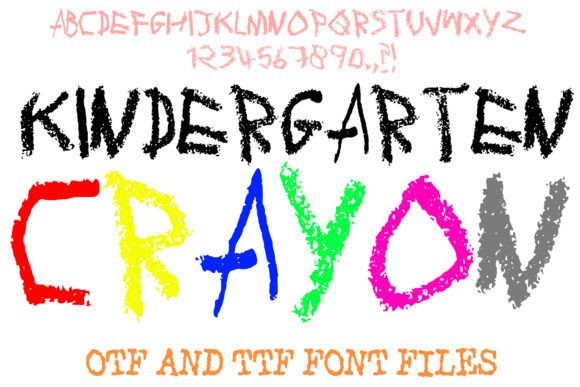
The Kindergarten Crayon font is more than just a design tool—it’s a narrative. Crafted by hand using real crayons, this typeface captures the essence of childhood creativity, offering a tactile and nostalgic aesthetic that feels both authentic and intentional. With its irregular baseline and imperfect strokes, it brings to life the messy, organic quality of a child’s first attempts at writing. This font isn’t just about style; it’s about storytelling through typography.
Why Kindergarten Crayon Matters in Design
For designers aiming to create a sense of warmth, authenticity, or playfulness, Kindergarten Crayon is an invaluable asset. Its heavy texture and grainy finish evoke a feeling of nostalgia, making it ideal for projects that seek to connect emotionally with their audience. Whether you're designing educational materials, branding for a children's brand, or crafting content for a creative portfolio, this font can help you stand out in a sea of polished, sterile designs.
What sets Kindergarten Crayon apart is its ability to convey personality without sacrificing readability. Despite its “messy” appearance, the thick, bold strokes ensure that your text remains legible and impactful. This balance between chaos and clarity makes it a versatile choice for a wide range of applications.
Understanding the Texture and Style
Every letter in the Kindergarten Crayon font carries the unmistakable texture of a real crayon. The distressed edges and solid fill give it a three-dimensional quality that feels like it was drawn directly onto a school desk. This tactile finish adds a layer of authenticity that digital fonts often lack.
The font’s irregular baseline and uneven letter heights mimic the way a young child might write, creating a sense of spontaneity and individuality. This imperfection isn’t a flaw—it’s a feature. It speaks to the human element of design, reminding us that not everything needs to be perfect to be meaningful.
When to Use Kindergarten Crayon
Kindergarten Crayon is best suited for projects where a handmade, nostalgic, or intentionally unrefined look is desired. Consider using it in the following scenarios:
- Education: For classroom posters, student worksheets, or teacher resources that need to feel personal and engaging.
- Children’s Books: As a title font or for captions that add charm and visual interest to storybooks.
- Branding: For brands targeting younger audiences or those looking to evoke a sense of innocence and playfulness.
- Marketing Materials: To create a unique, memorable look for campaigns that want to stand out from the crowd.
- Creative Projects: In art portfolios, zines, or DIY projects where a handcrafted aesthetic is key.
By choosing Kindergarten Crayon, you’re not just selecting a font—you’re making a statement about the tone and intent of your project.
Strategic Use and Planning
Before incorporating Kindergarten Crayon into your design, consider the goals and context of your project. Is the aim to evoke nostalgia? To create a playful, childlike atmosphere? Or to communicate a message of simplicity and authenticity?
Thoughtful planning ensures that the font aligns with your overall design strategy. For instance, if you're designing a children’s book, using Kindergarten Crayon as the main title font can immediately set the tone and make the content feel more relatable to young readers. However, if the project requires a more formal or professional look, it may not be the best fit.
Consider also how the font interacts with other design elements. Its bold, textured nature can contrast nicely with clean, minimalist layouts. Pairing it with soft pastel colors or simple illustrations can enhance its charm and create a cohesive visual language.
Practical Examples and Real-World Applications
Let’s explore a few practical examples of how Kindergarten Crayon can be used effectively:
- Classroom Posters: A teacher might use this font to create a colorful, inviting poster for a science fair. The font’s playful nature encourages curiosity and engagement among students.
- Brand Identity: A boutique selling handmade toys could use Kindergarten Crayon in their logo and packaging to reinforce their commitment to creativity and craftsmanship.
- Online Content: A blog focused on early childhood education might incorporate the font into headers or call-out boxes to create a warm, welcoming atmosphere.
- Print Media: A magazine aimed at parents could use the font in its editorial sections to add a touch of whimsy and approachability.
Each of these examples demonstrates how the font can be strategically applied to achieve specific outcomes. The key is to use it with intention, rather than as a random stylistic choice.
Risks of Misuse
While Kindergarten Crayon offers a unique aesthetic, it’s important to recognize the risks of using it without clear goals or context. Overuse or inappropriate application can lead to confusion or a lack of professionalism.
For example, using this font in a corporate presentation might come across as unprofessional or untrustworthy. Similarly, applying it to a high-stakes marketing campaign could dilute the message and confuse the target audience.
To avoid these pitfalls, always consider the purpose and audience of your design. If the goal is to communicate clarity and professionalism, then Kindergarten Crayon may not be the right choice. However, if the objective is to create a sense of warmth, creativity, or nostalgia, it can be incredibly effective.
Long-Term Value and Decision-Making
Choosing the right font is a strategic decision that can impact the long-term success of a project. Kindergarten Crayon, with its unique texture and character, can add significant value when used appropriately.
From a design perspective, it encourages creativity and experimentation. From a branding standpoint, it helps establish a distinct identity that resonates with the intended audience. And from a communication standpoint, it enhances the emotional connection between the brand and its customers.
Ultimately, the key to leveraging Kindergarten Crayon effectively lies in understanding its strengths and limitations. By using it thoughtfully and intentionally, you can create designs that are not only visually appealing but also emotionally resonant.