Houlding: A Script Font for Strategic Design and Creative Expression
When it comes to design, the right font can make all the difference. Houlding is a script font that blends elegance with functionality, offering a unique visual identity that can elevate your creative projects. Its romantic and graceful style makes it ideal for a range of applications—from wedding invitations to branding materials—where personality and sophistication are key.
What Is Houlding and Why It Matters
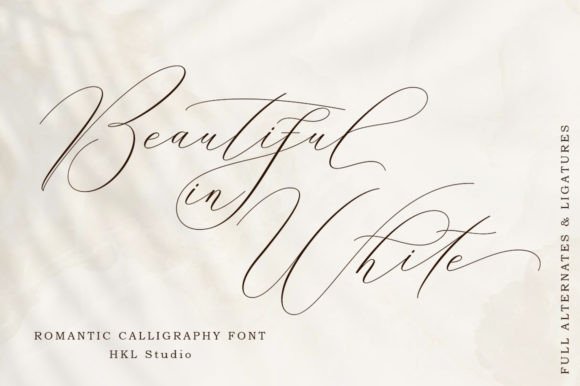
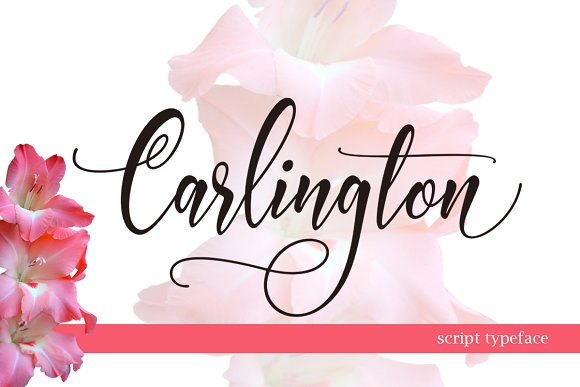
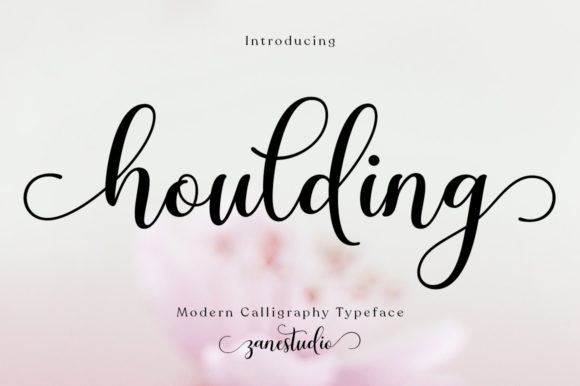
Houlding is a beautifully crafted script font that stands out for its fluid lines and elegant curves. Unlike many other script fonts, Houlding is PUA encoded, which means it provides access to all glyphs and swashes without limitations. This feature is especially valuable for designers who want to customize their text to fit specific needs or create visually striking compositions.
The font’s design is both timeless and modern, making it versatile enough to suit a variety of contexts. Whether you're crafting a logo, designing a greeting card, or creating a thank you note, Houlding adds a touch of refinement that can help your message resonate more deeply with your audience.
Strategic Use of Houlding in Branding and Communication
For entrepreneurs and small business owners, branding is more than just a logo—it's about creating a consistent visual identity that communicates your values and mission. Houlding can play a crucial role in this process by helping to establish a sense of elegance and personalization that aligns with your brand’s tone.
Consider using Houlding for your website headers, social media profiles, or promotional materials. The font’s graceful nature can help convey warmth, creativity, and professionalism, which are essential traits for building trust and connection with your audience.
However, it's important to approach the use of Houlding strategically. Just as any tool requires thoughtful application, so too does a font like Houlding. Before incorporating it into your designs, ask yourself: Does it align with my brand’s voice? Will it enhance the overall message I want to communicate?
When to Use Houlding and How to Approach It
Houlding is particularly well-suited for projects where a personal and artistic touch is desired. For example, it works exceptionally well for wedding invitations, where the goal is to create an atmosphere of romance and elegance. Similarly, it can be used for thank you cards, greeting cards, and other personal messages where the intent is to convey emotion and thoughtfulness.
In professional settings, Houlding can be used to reinforce a brand’s personality. If your business emphasizes creativity, artistry, or a handcrafted feel, then Houlding can serve as a powerful visual anchor. It can also be used in marketing materials such as brochures, posters, and packaging to add a distinctive flair that sets your brand apart from competitors.
Before relying on Houlding for a project, consider the context and purpose. Is the design meant to evoke a particular mood or emotion? Does the font complement the overall aesthetic of the piece? By answering these questions, you can ensure that your use of Houlding is intentional and effective.
Practical Examples and Planning Tips
Let’s look at some real-world examples of how Houlding can be used effectively:
- Wedding Invitations: Houlding’s romantic style makes it perfect for wedding invitations, where the goal is to create a sense of anticipation and elegance. Pair it with soft pastel colors and delicate illustrations to enhance the overall effect.
- Logo Design: For businesses that value artistry and individuality, Houlding can be used as part of a custom logo. It can be combined with other typography elements to create a balanced and visually appealing composition.
- Thank You Cards: When sending personalized thank you notes, Houlding can add a level of sophistication that reflects appreciation and care. Use it sparingly to maintain readability while still making an impact.
- Marketing Materials: In brochures or flyers, Houlding can be used for headlines or key phrases to draw attention and emphasize important information. It should be used in moderation to avoid overwhelming the reader.
When planning your design, start by defining your goals and audience. What do you want to achieve with your design? Who are you trying to reach? Once you have clarity on these points, you can determine whether Houlding is the right choice for the task at hand.
Risks of Using Houlding Without Clear Goals
While Houlding offers great potential, it’s important to recognize the risks of using it without clear goals or context. One of the most common pitfalls is overuse. Because the font is so visually striking, it can easily overshadow the content it’s meant to support. This can lead to confusion or a lack of focus, especially in professional or informational contexts.
Another risk is misalignment with brand identity. If Houlding doesn’t reflect the tone or values of your business, it can create a disconnect with your audience. For instance, using a romantic script font for a tech startup may not be appropriate, as it could send mixed signals about the company’s direction and personality.
To avoid these issues, always consider the broader context of your design. Ask yourself: Does the font support the message I want to convey? Does it align with the overall branding strategy? By approaching Houlding with intention, you can ensure that it enhances rather than detracts from your design goals.
Intentional Use for Long-Term Results
Design is not just about aesthetics—it’s about communication, strategy, and long-term impact. When using Houlding, it’s important to think beyond the immediate visual appeal and consider how it contributes to your broader objectives. Whether you’re building a brand, launching a product, or creating a campaign, every design decision should serve a purpose.
Houlding can be a valuable asset when used intentionally. It can help you stand out in a crowded market, create emotional connections with your audience, and reinforce your brand’s unique identity. However, it should never be used randomly or without consideration of its implications.
One way to ensure intentional use is to develop a design strategy that outlines when and how Houlding will be applied. This might include guidelines for font pairing, color schemes, and overall composition. By doing so, you can maintain consistency across your designs while still allowing for creative flexibility.
Additionally, it’s worth considering the technical aspects of using Houlding. Since it is PUA encoded, you’ll have access to all glyphs and swashes, which can be useful for customizing your text. However, it’s important to test the font in different environments to ensure compatibility and readability across platforms and devices.
Conclusion
Houlding is more than just a beautiful script font—it’s a strategic tool that can enhance your design work and help you achieve better results. By understanding its strengths and limitations, you can use it effectively to support your goals, build stronger connections with your audience, and create visually compelling content.
Ultimately, the key to success lies in intentionality. Whether you're designing for personal use or professional purposes, always ask yourself whether Houlding aligns with your vision and supports your objectives. With careful planning and thoughtful execution, you can unlock the full potential of this remarkable font and take your creative projects to new heights.