Handlettering: A Timeless Tool for Modern Design
Handlettering is more than just beautiful typography—it’s a powerful design language that bridges the gap between art and communication. In today’s fast-paced digital world, where visual content reigns supreme, handlettering offers a unique way to infuse personality, warmth, and authenticity into creative projects. Whether you’re crafting a brand identity or designing a social media graphic, the right handlettered font can transform a simple message into an engaging experience.
The Art of Handlettering
At its core, handlettering is the practice of creating custom letterforms by hand. Unlike traditional fonts, which are designed for consistency and scalability, handlettering embraces imperfections, giving each character a distinct character and charm. This organic quality makes it ideal for projects that require a personal touch, such as greeting cards, branding materials, or custom merchandise.
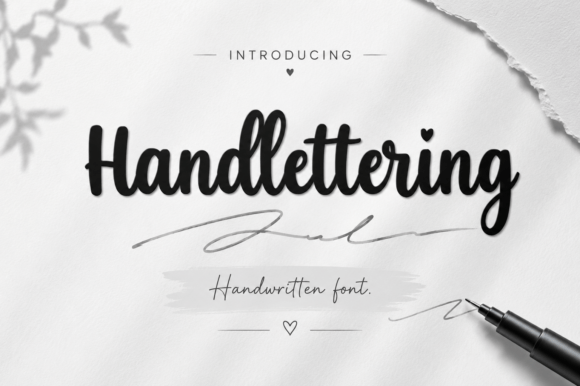
Handlettering Ink stands out in this space with its script font that mimics the fluidity of a felt-tip pen. The soft, bouncy rhythm and subtle details—like the heart-shaped dot over the 'i'—add a layer of playfulness while maintaining readability. These features make it versatile enough for both casual use and professional applications.
Applications Across Design Fields
From branding to packaging, handlettering has a place in almost every visual design discipline. For instance, in branding and logo design, handlettering can help create a memorable brand identity that feels authentic and approachable. It allows businesses to communicate their values through visual storytelling, making their brand more relatable to audiences.
In marketing materials, handlettered text can elevate flyers, brochures, and posters by adding a sense of craftsmanship. Similarly, social media content benefits from handlettering’s ability to stand out in a sea of digital content, drawing attention and encouraging engagement.
Website and UI design also benefit from handlettering, especially when used sparingly to highlight key messages or calls to action. However, it’s important to balance handlettering with clean, readable fonts to ensure usability and accessibility.
Design Tips for Effective Use
To maximize the impact of handlettering in your projects, consider these practical tips:
- Choose the right font: Select a handlettered font that aligns with your brand’s tone and audience expectations.
- Ensure readability: Test your design across different sizes and backgrounds to confirm legibility.
- Balance with other elements: Pair handlettering with complementary visuals, colors, and typography to maintain harmony.
- Use it strategically: Reserve handlettering for focal points rather than large blocks of text.
When integrated thoughtfully, handlettering can enhance visual hierarchy, guide user attention, and improve overall user experience. It adds a human element to digital designs, making them feel more personal and engaging.
Why Invest in Quality Creative Assets?
High-quality design assets like Handlettering Ink not only elevate the aesthetic of your work but also contribute to a stronger brand identity. They reflect professionalism and attention to detail, which are crucial in fields like graphic design, web design, and packaging design.
Moreover, using well-crafted handlettering can streamline your design workflow, saving time and effort in the long run. It ensures consistency across all platforms, whether it’s a print layout, a website, or a social media post.
As designers and creators, our goal is to communicate effectively while leaving a lasting impression. By choosing the right tools—like Handlettering Ink—we can achieve both beauty and functionality in every project we create.